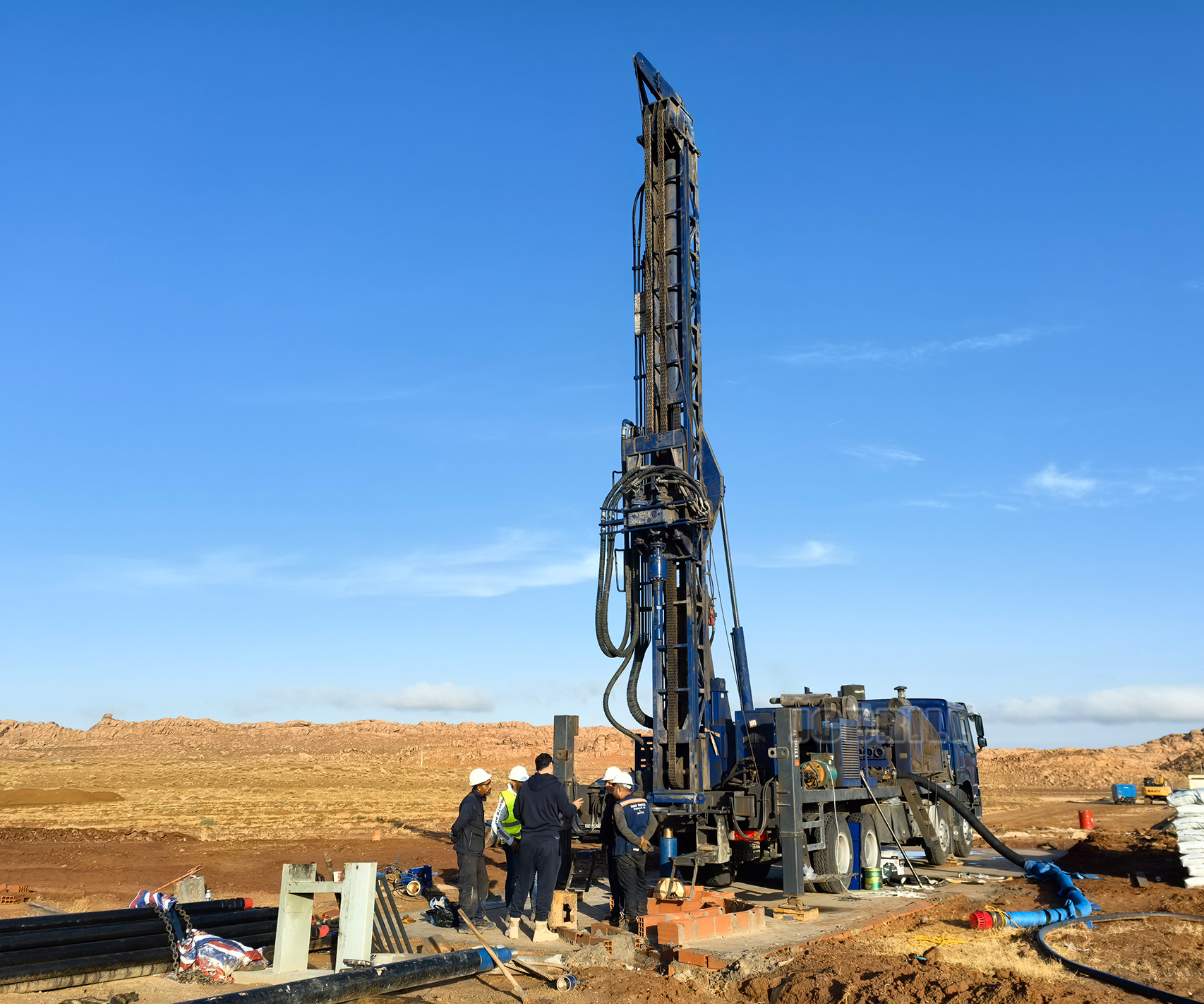
Drilling operations in remote environments are essential for unlocking valuable natural resources, particularly in regions rich in minerals and energy reserves. However, these locations often present complex logistical, environmental, and operational challenges that can impact project timelines, costs, and safety.
Understanding these challenges—and how to effectively address them—is critical to delivering successful drilling projects.
1. Limited Accessibility and Infrastructure
Remote drilling sites are often located far from established roads, power supply, and basic infrastructure. Transporting equipment, personnel, and materials to these locations can be both difficult and costly.
How to Overcome It
- Use modular and mobile drilling rigs designed for easy transportation
- Plan logistics in advance, including access routes and supply chains
- Establish temporary infrastructure such as access roads and site camps
2. Harsh Environmental Conditions
Extreme weather conditions, including high temperatures, heavy rainfall, or desert environments, can affect both equipment performance and workforce productivity.
How to Overcome It
- Deploy equipment built for rugged and extreme conditions
- Implement weather monitoring and contingency planning
- Schedule operations strategically to minimize weather-related disruptions
3. High Operational Costs
Operating in remote areas increases costs due to transportation, fuel, accommodation, and extended project timelines.
How to Overcome It
- Optimize drilling programs through efficient planning
- Use high-performance rigs to reduce downtime
- Implement cost-control measures and resource management strategies
4. Skilled Workforce Challenges
Finding and retaining skilled personnel willing to work in remote locations can be difficult. Fatigue and isolation can also affect performance and safety.
How to Overcome It
- Provide proper training and incentives for field personnel
- Implement rotation schedules to reduce fatigue
- Ensure comfortable living conditions at site camps
5. Equipment Maintenance and Downtime
In remote areas, access to spare parts and technical support is limited, making equipment failure a major risk.
How to Overcome It
- Maintain a comprehensive inventory of critical spare parts on-site
- Conduct regular preventive maintenance
- Provide on-site technical expertise and training
6. Environmental and Regulatory Compliance
Remote drilling operations must comply with environmental regulations and minimize their ecological footprint, which can be challenging in sensitive areas.
How to Overcome It
- Implement strong environmental management systems
- Manage water usage and waste responsibly
- Ensure compliance with local and international regulations
7. Communication and Coordination Issues
Remote locations often suffer from poor communication networks, making coordination between teams more difficult.
How to Overcome It
- Use satellite communication systems
- Establish clear operational procedures and reporting structures
- Leverage digital tools for real-time monitoring and coordination
Ampdrill Africa’s Approach
Ampdrill Africa understands the complexities of operating in remote environments and is equipped to deliver reliable solutions under challenging conditions. With advanced drilling rigs, experienced personnel, and a strong focus on operational discipline, the company ensures efficient and safe project execution.
By combining technology, planning, and field expertise, Ampdrill Africa minimizes risk, reduces downtime, and delivers consistent results—even in the most demanding locations.
Conclusion
Remote drilling environments present significant challenges, but with the right strategy, equipment, and expertise, these obstacles can be effectively managed. Successful operations depend on preparation, adaptability, and a commitment to safety and efficiency.
As exploration continues to expand into more remote regions, companies that can overcome these challenges will be best positioned to deliver value and drive sustainable growth.